Trong thế giới ẩm thực đa dạng, cháo gà luôn là một món ăn quen thuộc, mang đến sự ấm áp và bổ dưỡng. Dù ở Việt Nam hay bất kỳ đâu, món cháo này đều được yêu thích bởi hương vị đậm đà và khả năng phục hồi sức khỏe. Tuy nhiên, khi muốn chia sẻ công thức này với bạn bè quốc tế hoặc tìm kiếm thông tin trên các trang web nước ngoài, rào cản ngôn ngữ có thể xuất hiện. Bài viết này của saigonesebaguette.vn sẽ cung cấp cho bạn một hướng dẫn chi tiết về cách nấu cháo gà bằng tiếng Anh, bao gồm cả công thức, từ vựng chuyên ngành và những mẹo nhỏ để món cháo của bạn luôn hoàn hảo.
Cháo gà, hay còn gọi là Chicken Congee/Porridge, là một món ăn truyền thống được yêu thích rộng rãi ở nhiều nền văn hóa, đặc biệt là ở châu Á. Nó không chỉ là một bữa ăn sáng ngon miệng mà còn là lựa chọn hàng đầu khi cần một món ăn nhẹ nhàng, dễ tiêu hóa cho người ốm hoặc trẻ nhỏ. Việc biết cách nấu cháo gà bằng tiếng Anh sẽ mở ra cơ hội để bạn giới thiệu nét đẹp ẩm thực Việt Nam đến bạn bè quốc tế, hoặc đơn giản là tự tin hơn khi khám phá các công thức nấu ăn từ khắp nơi trên thế giới. Chúng ta sẽ cùng nhau tìm hiểu từng bước, từ việc chuẩn bị nguyên liệu đến khi hoàn thành món cháo thơm ngon, bổ dưỡng.
Hiểu rõ “Chicken Porridge”: Một món ăn vượt qua mọi biên giới
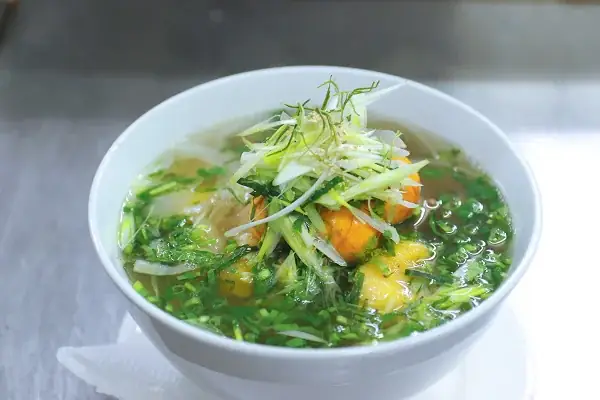
Cháo gà là một món ăn có lịch sử lâu đời, không chỉ riêng Việt Nam mà còn phổ biến ở nhiều quốc gia châu Á khác dưới những tên gọi và biến thể khác nhau như Congee (Trung Quốc), Okayu (Nhật Bản) hay Juk (Hàn Quốc). Điểm chung của các món này là gạo được nấu nhừ cùng với nước dùng, thường là nước dùng gà, tạo nên một kết cấu sánh mịn và hương vị thanh đạm.
Đối với người Việt, cháo gà không chỉ là một món ăn mà còn gắn liền với ký ức tuổi thơ, với những buổi sáng se lạnh hay những khi cơ thể cần được vỗ về. Nó là sự kết hợp hài hòa giữa vị ngọt tự nhiên của thịt gà, độ dẻo của hạt gạo và mùi thơm nồng của các loại gia vị. Khi tìm hiểu cách nấu cháo gà bằng tiếng Anh, chúng ta không chỉ học một công thức mà còn học cách diễn đạt tinh hoa ẩm thực của mình một cách rõ ràng và hấp dẫn nhất.
Việc diễn giải một công thức nấu ăn từ ngôn ngữ này sang ngôn ngữ khác đòi hỏi sự chính xác về từ ngữ, đặc biệt là các thuật ngữ về nguyên liệu và phương pháp chế biến. Một chút sai lệch có thể dẫn đến kết quả khác biệt hoàn toàn. Do đó, phần này sẽ tập trung vào việc cung cấp nền tảng vững chắc để bạn tự tin chia sẻ và thực hiện món cháo gà một cách chuẩn xác.
Từ vựng cần thiết để diễn đạt công thức cháo gà bằng tiếng Anh
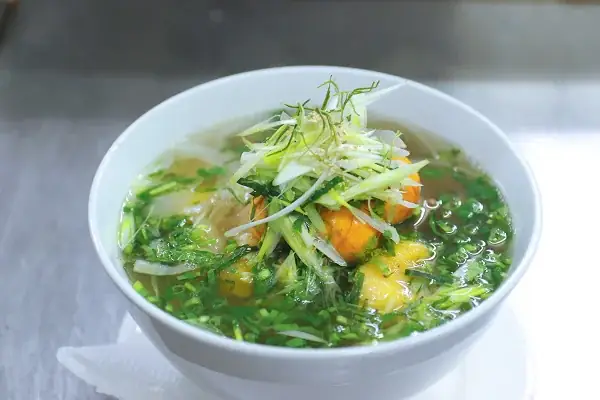
Để thành công trong việc diễn tả cách nấu cháo gà bằng tiếng Anh, việc trang bị một vốn từ vựng chuyên ngành là vô cùng quan trọng. Dưới đây là những từ khóa và cụm từ bạn sẽ thường xuyên sử dụng:
Nguyên liệu chính và phụ gia (Main Ingredients and Condiments)
- Chicken: Gà (có thể cụ thể hơn: whole chicken – gà nguyên con, chicken breast – ức gà, chicken thighs – đùi gà).
- Rice: Gạo (Jasmine rice – gạo thơm, glutinous rice – gạo nếp).
- Water/Chicken Broth/Stock: Nước/Nước dùng gà.
- Salt: Muối.
- Fish Sauce: Nước mắm.
- Ginger: Gừng.
- Onion: Hành tây (Red onion – hành tím).
- Green Onions/Scallions: Hành lá.
- Cilantro/Coriander: Ngò rí/Rau mùi.
- Black Pepper: Tiêu đen.
- Garlic: Tỏi.
- Cooking Oil: Dầu ăn.
- Mushrooms: Nấm (optional – tùy chọn).
- Shredded Chicken: Gà xé.
Động từ chỉ hành động nấu nướng (Cooking Verbs)
- To wash: Rửa (ví dụ: wash the rice – vo gạo).
- To soak: Ngâm (ví dụ: soak the rice – ngâm gạo).
- To boil: Luộc/Đun sôi (ví dụ: boil the chicken – luộc gà).
- To simmer: Hầm/Ninh nhỏ lửa (ví dụ: simmer the congee – ninh cháo).
- To shred: Xé nhỏ (ví dụ: shred the chicken – xé gà).
- To sauté/fry: Xào/Phi thơm (ví dụ: sauté the shallots – phi hành).
- To chop/mince: Băm/Thái nhỏ (ví dụ: chop the ginger – thái gừng).
- To season: Nêm gia vị.
- To garnish: Trang trí (ví dụ: garnish with green onions – trang trí bằng hành lá).
- To stir: Khuấy đều.
Dụng cụ nhà bếp (Kitchen Utensils)
- Pot: Nồi.
- Ladle: Vá/Muỗng múc canh.
- Cutting board: Thớt.
- Knife: Dao.
- Bowl: Bát.
Nắm vững những từ vựng này sẽ giúp bạn không chỉ đọc hiểu mà còn tự tin truyền đạt công thức một cách lưu loát và chuyên nghiệp, tránh những hiểu lầm không đáng có trong quá trình chế biến.
Công thức chuẩn: Cách nấu cháo gà bằng tiếng Anh chi tiết
Giờ chúng ta sẽ đi sâu vào cách nấu cháo gà bằng tiếng Anh thông qua một công thức chi tiết, chuẩn chỉnh, đảm bảo bạn có thể tạo ra món cháo gà thơm ngon, đúng điệu. Công thức này được xây dựng trên nền tảng ẩm thực Việt Nam, nhưng được diễn đạt bằng tiếng Anh một cách dễ hiểu cho mọi đối tượng.
## Vietnamese Chicken Porridge (Cháo Gà) Recipe
This classic Vietnamese chicken porridge is a comforting and nutritious dish, perfect for any time of day, especially when you need a soothing meal. It features tender chicken, fragrant rice, and aromatic spices, creating a rich and savory flavor.
Yields: 4-6 servings
Prep time: 20 minutes
Cook time: 1.5 – 2 hours
### Ingredients:
- For the Chicken and Broth:
- 1 whole chicken (about 1.2 – 1.5 kg or 2.5 – 3 lbs)
- 2.5 – 3 liters (about 10 – 12 cups) water
- 1 small white onion, peeled and halved
- 1 knob ginger (about 50g or 2 inches), sliced
- 1 tablespoon salt
- 1 teaspoon black peppercorns (optional)
- For the Porridge:
- 1 cup (about 200g) Jasmine rice
- 1/4 cup (about 50g) glutinous rice (optional, for extra stickiness)
- Salt to taste
- Fish sauce to taste
- For Garnish and Seasoning:
- 2-3 green onions, thinly sliced
- 1/4 cup fresh cilantro, chopped
- 1 small red onion or shallots, thinly sliced and fried until crispy (hành phi)
- Freshly ground black pepper
- A dash of cooking oil
### Instructions:
#### Step 1: Prepare the Chicken and Broth
- Clean the Chicken: Thoroughly wash the whole chicken inside and out. Remove any excess fat or internal organs. You can rub it with salt and rinse again to remove any impurities and reduce gamey smell.
- Boil the Chicken: Place the cleaned chicken in a large pot. Add 2.5 – 3 liters of water, the halved white onion, sliced ginger, 1 tablespoon of salt, and black peppercorns (if using).
- Simmer for Broth: Bring the water to a boil over high heat, then immediately reduce the heat to low. Skim off any foam that rises to the surface. Cover the pot and let it simmer for about 45-60 minutes, or until the chicken is fully cooked and tender. Be careful not to overcook, as the meat can become dry.
- Remove and Shred Chicken: Carefully remove the cooked chicken from the pot and let it cool down on a plate. Strain the broth through a fine-mesh sieve into another clean pot or large bowl, discarding the onion, ginger, and peppercorns. This ensures a clear and flavorful broth for your porridge.
- Prepare Chicken Meat: Once the chicken is cool enough to handle, remove the skin and bones. Shred the chicken meat into bite-sized pieces. Set aside.
#### Step 2: Cook the Porridge
- Prepare the Rice: Wash the Jasmine rice and glutinous rice (if using) thoroughly under cold running water until the water runs clear. You can optionally soak the rice in water for 30 minutes before cooking to help it break down faster.
- Combine Rice and Broth: Add the washed rice to the strained chicken broth in the clean pot.
- Cook the Porridge: Bring the mixture to a boil over medium-high heat. Once boiling, reduce the heat to low, cover partially, and let it simmer for at least 60-90 minutes, or until the rice grains have fully broken down and the porridge reaches a thick, creamy consistency. Stir occasionally to prevent the rice from sticking to the bottom of the pot. If the porridge becomes too thick, you can add more hot water or chicken broth.
- Season the Porridge: Once the porridge has reached your desired consistency, season it with salt and fish sauce to taste. Adjust as needed. Remember that you can add more seasoning later, so start with a moderate amount.
#### Step 3: Assemble and Serve
- Prepare Garnishes: While the porridge is simmering, prepare your garnishes: slice green onions, chop cilantro, and if you haven’t already, fry some thinly sliced red onions or shallots until golden and crispy (known as “hành phi” in Vietnamese).
- Serve: Ladle the hot chicken porridge into individual bowls. Top generously with the shredded chicken meat.
- Garnish and Enjoy: Garnish each bowl with fresh green onions, chopped cilantro, a sprinkle of crispy fried shallots, and a dash of freshly ground black pepper. For an extra aromatic touch, you can drizzle a tiny bit of cooking oil over the porridge just before serving.
- Optional: Serve with a side of gừng thái sợi (thinly sliced ginger) or a small dish of fish sauce with sliced chilies for those who enjoy a spicier kick.
Expert Tip: For an even richer flavor profile, you can gently sauté a small amount of minced shallots or garlic in a bit of cooking oil before adding the strained broth and rice to the pot. This aromatic base adds depth to the overall taste of your chicken porridge. The use of glutinous rice, while optional, truly elevates the texture, making the porridge wonderfully smooth and comforting, a signature of authentic Vietnamese preparation. This recipe demonstrates a straightforward yet delicious cách nấu cháo gà bằng tiếng Anh, bringing traditional flavors to a global audience.
Mẹo và bí quyết để món cháo gà thêm hoàn hảo (Tips and Tricks for Perfect Chicken Porridge)
Để món cháo gà không chỉ ngon mà còn chuẩn vị Việt, việc áp dụng những bí quyết nhỏ trong quá trình chế biến là rất quan trọng. Khi truyền đạt cách nấu cháo gà bằng tiếng Anh, bạn cũng có thể chia sẻ những mẹo này để người đọc quốc tế hiểu rõ hơn về sự tinh tế trong ẩm thực Việt.
### Chọn gạo đúng loại và cách sơ chế (Choosing the Right Rice and Preparation)
- Rice Blend: Many Vietnamese chefs prefer a blend of Jasmine rice and a small amount of glutinous rice (gạo nếp). The Jasmine rice provides a delicate fragrance, while the glutinous rice helps achieve a wonderfully creamy and slightly sticky texture, which is highly desirable in Vietnamese porridge.
- Soaking the Rice: Soaking the rice for at least 30 minutes, or even an hour, before cooking can significantly reduce cooking time. It allows the rice grains to absorb water and break down more easily, resulting in a smoother porridge. This step is crucial for achieving that signature velvety consistency.
### Bí quyết luộc gà và làm nước dùng ngon (Secrets to Boiling Chicken and Making Flavorful Broth)
- Initial Blanching: For a truly clear and clean broth, some chefs suggest blanching the chicken first. Briefly bring the chicken to a boil in fresh water for 5-10 minutes, then discard this water, rinse the chicken, and start fresh with new water for the main broth. This removes impurities that can cloud the broth.
- Aromatic Vegetables: Besides onion and ginger, you can add a whole carrot or a few sprigs of cilantro stems to the broth while simmering for extra sweetness and aroma. Remember to remove them before adding the rice.
- Low and Slow Simmering: The key to a rich, clear broth is to simmer the chicken over low heat. Boiling aggressively can make the broth cloudy and the chicken tough. A gentle simmer allows the flavors to meld beautifully.
- Removing Skim: Regularly skim off any foam or impurities that rise to the surface of the broth during the initial boiling stage. This contributes to a clearer and more appealing broth.
### Nêm nếm và gia vị (Seasoning and Flavor Enhancement)
- Layering Flavors: Don’t just rely on salt. Fish sauce (nước mắm) is essential for authentic Vietnamese flavor. Add it gradually and taste as you go. A touch of sugar can also balance the flavors.
- Crispy Fried Shallots (Hành Phi): This is a non-negotiable garnish for most Vietnamese savory porridges. The crispy texture and sweet, savory aroma it adds are unparalleled. You can make it at home by thinly slicing shallots and frying them in oil until golden brown, or buy pre-made ones.
- Ginger Infusion: For an extra kick, especially if serving to someone feeling under the weather, thin julienned ginger can be added as a garnish or even simmered with the porridge during the last 15-20 minutes.
### Lưu ý về việc bảo quản và hâm nóng (Storage and Reheating Tips)
- Separate Components: If you expect leftovers, it’s best to store the shredded chicken and garnishes separately from the plain porridge. This helps maintain the texture and freshness of each component.
- Reheating: Porridge tends to thicken significantly upon cooling. When reheating, add a little water or chicken broth and stir well over low heat until it reaches your desired consistency. Avoid high heat, which can cause the porridge to scorch at the bottom of the pot.
By incorporating these tips, you’re not just providing a recipe but also sharing the nuanced culinary knowledge that makes Vietnamese cuisine so special. This depth of information, articulated effectively in English, truly showcases your expertise and commitment to sharing valuable content, aligning with the principles of saigonesebaguette.vn.
Giá trị dinh dưỡng và lợi ích sức khỏe của cháo gà (Nutritional Value and Health Benefits of Chicken Porridge)
Cháo gà không chỉ là một món ăn ngon mà còn mang lại nhiều lợi ích sức khỏe đáng kể, đặc biệt khi được chế biến đúng cách. Việc hiểu rõ những giá trị này và diễn đạt chúng bằng tiếng Anh sẽ giúp người đọc quốc tế đánh giá cao hơn món ăn truyền thống này.
### Nguồn protein dồi dào (Excellent Source of Protein)
- Muscle Repair and Growth: Chicken is a lean source of high-quality protein, essential for muscle repair, growth, and overall bodily functions. For those recovering from illness or engaging in physical activities, the protein in chicken porridge helps in faster recovery.
- Satiety: Protein also contributes to a feeling of fullness, making chicken porridge a satisfying meal that can help manage appetite.
### Dễ tiêu hóa và cung cấp năng lượng (Easy to Digest and Energy-Boosting)
- Gentle on the Stomach: The soft, broken-down rice grains make porridge incredibly easy to digest, making it an ideal food for people with sensitive stomachs, the elderly, or young children.
- Sustained Energy: Rice provides complex carbohydrates, which are the body’s primary source of energy. Cooked in a liquid form, it delivers a steady release of energy without causing spikes in blood sugar, promoting sustained vitality.
### Phục hồi sức khỏe và tăng cường miễn dịch (Restorative and Immune-Boosting)
- Hydration: Chicken porridge, being a liquid-based dish, contributes to hydration, which is vital for overall health and especially important when one is ill.
- Nutrient Absorption: When sick, appetite often diminishes, and the body needs easily absorbable nutrients. The gentle cooking process of porridge helps break down nutrients, making them more readily available for the body to absorb.
- Warmth and Comfort: A warm bowl of chicken porridge has long been considered a natural remedy for colds and flu. The warmth can soothe a sore throat and help clear nasal passages. The broth itself contains beneficial compounds that can support the immune system. The ginger and green onions often added to Vietnamese chicken porridge also possess anti-inflammatory and antiseptic properties, further aiding recovery.
### Các vitamin và khoáng chất thiết yếu (Essential Vitamins and Minerals)
- Rich in Micronutrients: Depending on the ingredients used, chicken porridge can be a good source of various vitamins and minerals. Chicken provides B vitamins (like B6 and B12) important for energy metabolism and nerve function, as well as selenium, which is a powerful antioxidant.
- Iron: The chicken meat and sometimes the blood (if using a whole chicken) can provide iron, crucial for red blood cell formation and preventing anemia.
By highlighting these health benefits, you emphasize that cách nấu cháo gà bằng tiếng Anh is not just about a recipe, but about preparing a dish that nourishes the body and soul. This adds another layer of value to your content, making it more informative and appealing to a health-conscious global audience. The simple yet profound benefits underscore why this traditional dish remains a beloved staple.
Các biến thể và cách phục vụ cháo gà (Variations and Serving Suggestions for Chicken Porridge)
Cháo gà có thể được biến tấu theo nhiều cách khác nhau để phù hợp với sở thích cá nhân hoặc để tạo ra những hương vị mới mẻ. Việc giới thiệu các biến thể này bằng tiếng Anh sẽ làm cho công thức của bạn trở nên phong phú và hấp dẫn hơn.
### Các biến thể phổ biến (Popular Variations)
- Mushroom Chicken Porridge (Cháo gà nấm): Add sliced fresh mushrooms (shiitake or oyster mushrooms work well) to the porridge during the last 20-30 minutes of cooking. This adds an earthy flavor and a different texture.
- Ginger Chicken Porridge (Cháo gà gừng): Increase the amount of ginger in the broth and add julienned fresh ginger as a garnish. This is particularly popular when someone is feeling unwell due to its warming properties.
- Egg Drop Chicken Porridge (Cháo gà trứng): Stir a whisked egg into the simmering porridge during the last few minutes of cooking, creating silky strands of egg throughout the porridge.
- Five-Spice Chicken Porridge (Cháo gà ngũ vị): Briefly marinate the shredded chicken with a pinch of five-spice powder before adding it to the porridge. This imparts a unique aromatic depth.
- Congee with Preserved Eggs (Cháo trứng bắc thảo): While not strictly “chicken porridge,” this is a popular congee variation where century eggs (trứng bắc thảo) are added. It offers a distinct savory and slightly pungent flavor that some find very appealing. You could combine it with shredded chicken for a “Chicken and Preserved Egg Congee.”
### Gợi ý phục vụ (Serving Suggestions)
- Side Dishes: Chicken porridge is often served with a side of gỏi gà (Vietnamese chicken salad) or bánh quẩy (Chinese fried dough sticks) for dipping, which adds a delightful crunch.
- Condiments: Provide extra fish sauce, fresh lime wedges, sliced bird’s eye chilies, or a spoonful of chili oil for those who prefer more intense flavors.
- Warm Beverage: A warm cup of ginger tea or green tea can perfectly complement the meal, especially on a chilly day.
- Family Style: While often served in individual bowls, presenting a large pot of porridge with all the garnishes served separately allows each person to customize their bowl to their liking.
Introducing these variations demonstrates the versatility of the dish and encourages experimentation. It also shows a comprehensive understanding of the topic, going beyond a single recipe to embrace the broader culinary context. This detailed exploration enriches the content and further cements saigonesebaguette.vn as a reliable source for culinary insights. The adaptabilities of cháo gà make it a truly global dish while retaining its Vietnamese essence.
Chắc chắn rằng, với những kiến thức về từ vựng, công thức chi tiết và các mẹo hữu ích được trình bày trong bài viết này, bạn đã nắm vững cách nấu cháo gà bằng tiếng Anh và sẵn sàng chia sẻ món ăn bổ dưỡng này với bạn bè quốc tế. Cháo gà không chỉ là một bữa ăn ngon miệng mà còn là biểu tượng của sự quan tâm và chăm sóc, một món quà ẩm thực đầy ý nghĩa.
Hãy tự tin vào bếp và thực hành công thức này. Việc nấu ăn không chỉ là tạo ra một món ăn mà còn là trải nghiệm văn hóa, là cầu nối giữa mọi người. Dù bạn đang giới thiệu món cháo gà cho một người bạn nước ngoài hay chỉ đơn giản là muốn thử sức với một công thức mới bằng ngôn ngữ khác, những hướng dẫn trên sẽ là hành trang vững chắc cho bạn.