
Phở, một biểu tượng ẩm thực không chỉ của Việt Nam mà còn được yêu thích trên toàn thế giới, là món ăn mà bất kỳ du khách nào đến dải đất hình chữ S cũng muốn nếm thử. Với hương vị tinh tế, nước dùng đậm đà và sợi phở mềm mại, phở không chỉ là một bữa ăn mà còn là một trải nghiệm văn hóa.
Bài viết này của saigonesebaguette.vn sẽ cung cấp cho bạn một hướng dẫn chi tiết về cách nấu phở bằng tiếng Anh, giúp bạn tự tin chế biến món ăn quốc hồn quốc túy này ngay tại căn bếp của mình, đồng thời nâng cao vốn từ vựng ẩm thực tiếng Anh của bạn.
Exploring the Essence of Vietnamese Pho: A Culinary Journey
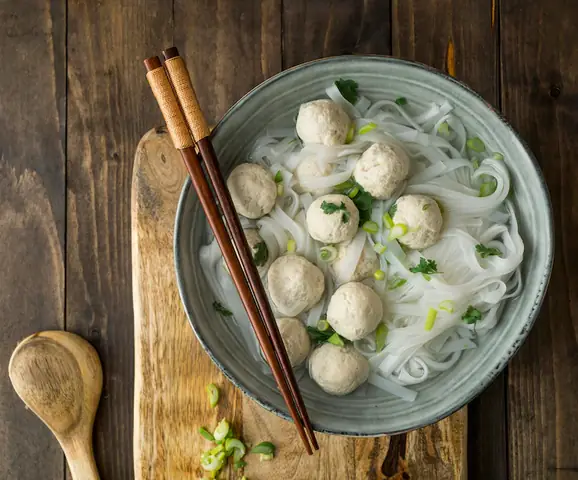
Pho, a globally renowned Vietnamese noodle soup, is much more than just a meal; it’s a testament to centuries of culinary tradition and cultural exchange. Originating in Northern Vietnam in the early 20th century, Pho has evolved significantly, adapting to regional tastes and ingredients while maintaining its core identity. Its profound popularity stems from its harmonious blend of flavors: a rich, aromatic broth, tender slices of meat, slippery rice noodles, and a vibrant medley of fresh herbs.
The history of Pho is fascinating, believed to have been influenced by both Chinese and French culinary traditions. The French brought beef consumption to Vietnam, while Chinese immigrants contributed elements like star anise and cinnamon, staples in Pho broth. Over time, Vietnamese cooks meticulously refined these influences, creating a dish that is uniquely their own. Today, Pho represents comfort, community, and the soulful essence of Vietnamese gastronomy. Learning cách nấu phở bằng tiếng Anh offers an accessible entry point for international enthusiasts to connect with this rich heritage.
Understanding the Key Components of Authentic Pho

To truly master cách nấu phở bằng tiếng Anh, it’s essential to understand the individual components that contribute to its distinctive character. Each element plays a crucial role in creating the balanced and complex flavor profile that Pho is celebrated for.
The Broth: The Heart and Soul of Pho
The broth, or nước lèo in Vietnamese, is undeniably the most critical element of Pho. It requires patience and precision to achieve its characteristic clarity and depth of flavor. A traditional beef Pho broth (Phở Bò) is made by simmering beef bones, often marrow-rich, with various aromatics and spices for many hours.
- Beef Bones: The foundation of the broth. Different types of bones are used, including knuckle bones, shin bones, and oxtail, to impart collagen, gelatin, and a robust beef flavor. They are typically blanched first to remove impurities and ensure a clear broth.
- Aromatics: Charred onions and ginger are indispensable. Charring them directly over a flame or under a broiler adds a smoky sweetness and helps to remove their raw bite, contributing to the broth’s unique aroma and golden hue.
- Spices: The quintessential Pho spices include star anise, cinnamon stick, black cardamom, cloves, and coriander seeds. These are often dry-roasted to release their essential oils and enhance their fragrant qualities before being added to the simmering broth.
- Seasoning: Fish sauce (nước mắm) and a touch of rock sugar (đường phèn) or regular sugar are typically used to balance the savory, sweet, and umami notes. Salt is also added to taste.
The long simmering process allows these ingredients to meld together, creating a deeply flavorful and aromatic liquid that is both savory and slightly sweet, with a hint of spice. The clarity of the broth is a hallmark of good Pho, often achieved by skimming off impurities regularly.
The Noodles: The Canvas for Flavor
Pho noodles are typically made from rice flour and come in various widths. For traditional Pho, thin, flat rice noodles (bánh phở) are preferred. They are soft, slightly chewy, and absorb the flavors of the broth beautifully.
- Types: While thin bánh phở are standard, some variations might use slightly wider ones. The texture should be delicate, not overly gummy or brittle.
- Preparation: Rice noodles are usually rehydrated or briefly cooked before serving. Overcooking can make them mushy, so careful timing is essential.
The Meat: Essential Protein and Texture
The choice and preparation of meat are vital for an authentic Pho experience. For Phở Bò, a variety of beef cuts are often used, offering different textures and flavors.
- Raw Sliced Beef (Tái): Very thinly sliced beef sirloin or eye round is added raw to the bowl, cooked by the heat of the boiling hot broth right before serving. This results in incredibly tender meat.
- Cooked Sliced Beef (Chín): Brisket, flank, or chuck are often simmered in the broth until tender, then thinly sliced. This provides a more robust, slow-cooked beef flavor.
- Beef Tendon (Gân) / Beef Tripe (Sách): These offal cuts add textural variety and are prized by many Pho connoisseurs for their unique chewiness and depth of flavor. They are typically slow-cooked until very tender.
- Beef Meatballs (Bò Viên): Savory and springy, beef meatballs are a popular addition, especially in Southern Vietnamese Pho.
For chicken Pho (Phở Gà), shredded boiled chicken is used, offering a lighter alternative while still maintaining the aromatic broth.
The Garnishes: The Fresh Finishing Touch
Fresh herbs and condiments are not mere decorations; they are integral to the Pho experience, adding layers of freshness, crunch, and acidity that cut through the richness of the broth.
- Fresh Herbs: Basil (húng quế), cilantro (ngò rí), mint (húng lủi), and sawtooth coriander (ngò gai) are common. They provide aromatic complexity and a refreshing contrast.
- Bean Sprouts (giá đỗ): Added raw, they offer a crisp texture.
- Lime Wedges: A squeeze of fresh lime juice adds essential acidity, brightening the flavors of the broth.
- Sliced Chilies: Fresh bird’s eye chilies (ớt hiểm) or serrano peppers for those who enjoy a spicy kick.
- Sauces: Hoisin sauce (tương đen) and Sriracha (tương ớt) are often served on the side for dipping meat or stirring into the broth, especially in Southern Vietnamese style Pho.
- Sliced Scallions (hành lá) and White Onions (hành tây): Provide a subtle oniony bite and visual appeal.
The interplay of these components transforms a simple noodle soup into a complex, satisfying, and deeply comforting dish. Mastering cách nấu phở bằng tiếng Anh truly involves understanding how to integrate each of these elements harmoniously.
Essential Tools and Equipment for Making Pho
Before diving into the step-by-step process of cách nấu phở bằng tiếng Anh, let’s ensure you have the necessary kitchen tools. While some items are optional, having the right equipment can significantly streamline your cooking process and enhance the quality of your homemade Pho.
- Large Stockpot (8-12 quarts/liters): Crucial for simmering the broth for extended periods. A heavy-bottomed pot is ideal for even heat distribution.
- Fine-Mesh Strainer/Colander: Essential for straining the broth to achieve clarity and for draining cooked noodles.
- Tongs: Useful for handling charred aromatics and for moving ingredients in and out of hot water.
- Sharp Knife: Indispensable for thinly slicing beef, chopping herbs, and preparing other ingredients. A well-sharpened knife makes a huge difference, especially when preparing raw beef for “tái” style Pho.
- Cutting Boards: For preparing meats, vegetables, and aromatics.
- Large Bowls: For serving the Pho. Traditional Pho bowls are typically wide and deep.
- Small Saucepan: For dry-roasting spices.
- Ladle: For serving the hot broth into individual bowls.
- Gas Stove or Broiler: For charring onions and ginger. If you don’t have one, you can use a dry non-stick pan on high heat, though the charring effect might be less pronounced.
- Plastic Wrap: For freezing beef slightly to make slicing easier.
Having these tools at hand will make the process of learning cách nấu phở bằng tiếng Anh much smoother and more enjoyable.

A Step-by-Step Guide to Cooking Pho in English
Now, let’s walk through the detailed steps for cách nấu phở bằng tiếng Anh. This recipe focuses on beef Pho (Phở Bò), which is perhaps the most iconic version.
Ingredients – Nguyên liệu
This recipe is designed for approximately 6-8 servings.
For the Broth (Nước Lèo):
* 1.5 kg (approx. 3.3 lbs) beef bones (knuckle, shin, or oxtail)
* 500g (approx. 1.1 lbs) beef chuck or brisket (for cooked beef slices)
* 4-5 liters (approx. 1-1.3 gallons) cold water
* 2 large yellow onions, unpeeled
* 1 large piece (about 100g or 3.5 oz) fresh ginger, unpeeled
* 5-6 star anise pods
* 2-3 cinnamon sticks (about 3 inches long each)
* 1 black cardamom pod, lightly crushed
* 4-5 cloves
* 1 tablespoon coriander seeds
* 4-6 tablespoons fish sauce (adjust to taste)
* 1-2 tablespoons rock sugar (or granulated sugar, adjust to taste)
* Salt to taste
For the Dish (Phở Tô):
* 500g (approx. 1.1 lbs) fresh or dried flat rice noodles (bánh phở), thin type
* 300g (approx. 0.66 lbs) beef rump steak or eye round, thinly sliced against the grain (for raw beef slices – Tái)
* 4-6 spring onions (scallions), thinly sliced
* 1 white onion, very thinly sliced
* 120g (approx. 4 oz) fresh bean sprouts
* Fresh herbs: a generous handful of basil, cilantro, mint, and sawtooth coriander
* 2-3 limes, cut into wedges
* 2-3 red chilies (e.g., bird’s eye or serrano), thinly sliced
* Hoisin sauce and Sriracha (optional, for serving)
* Cracked black pepper (optional)
Method – Cách làm
This method details the traditional approach to achieving a deeply flavorful and clear Pho broth.
Step 1: Prepare and Blanch Beef Bones and Cooked Beef
- Clean Bones: Rinse the beef bones thoroughly under cold water to remove any bone fragments or impurities.
- Blanching (Sơ Chế Xương): Place the beef bones and the chuck/brisket (if using for cooked slices) in a large stockpot. Cover with cold water and bring to a rolling boil over high heat. Let it boil vigorously for 10-15 minutes. This step is crucial for removing impurities, blood, and scum, which helps in achieving a clear broth. You will see a lot of foam and scum rise to the surface.
- Rinse Again: Drain the bones and meat, then rinse them thoroughly under cold running water, scrubbing off any stubborn impurities. Clean the stockpot as well.
Step 2: Char the Aromatics (Nướng Hành Gừng)
- Prepare Onions and Ginger: Cut the onions in half through the root. Slice the ginger into a few large pieces. Do not peel them yet.
- Charring: Using tongs, char the onion halves and ginger pieces directly over the flame of a gas burner until they are fragrant and their skins are blackened and blistered in spots. Alternatively, place them on a baking sheet under a broiler (grill) for about 5-7 minutes per side, turning frequently, until evenly charred.
- Clean Aromatics: Once charred, let them cool slightly. Peel off the burnt outer layers of the onions and ginger, and rinse them gently under cool water to remove any loose charred bits. The charred aroma will permeate the broth beautifully.
Step 3: Dry-Roast the Spices (Rang Thơm Gia Vị)
- Combine Spices: Place the star anise, cinnamon sticks, black cardamom, cloves, and coriander seeds in a dry small saucepan or skillet.
- Roast: Heat over medium-low heat, gently shaking the pan frequently, for 1-2 minutes until they are very fragrant. Be careful not to burn them. This step enhances their aromatic compounds.
- Set Aside: Remove from heat and set aside. Some recipes suggest putting them in a spice bag or cheesecloth for easy removal, but they can also be added directly to the broth.
Step 4: Simmer the Broth (Hầm Nước Lèo)
- Assemble Broth: Return the cleaned beef bones and cooked beef (chuck/brisket) to the large, clean stockpot. Add the charred and cleaned onions and ginger, and the dry-roasted spices.
- Add Water: Pour 4-5 liters of cold water over all the ingredients. The water should cover the bones.
- Bring to Boil: Bring the pot to a boil over high heat, then immediately reduce the heat to a gentle simmer.
- Skim Impurities: As the broth simmers, continue to skim off any foam or scum that rises to the surface for the first hour or two to ensure a clear broth. This is a crucial step in cách nấu phở bằng tiếng Anh for achieving visual appeal.
- Simmering Time: Cover partially and simmer for at least 3-4 hours, or ideally 6-8 hours, on very low heat. The longer it simmers, the richer the flavor. If the water level drops too much, you can add more hot water.
- Remove Cooked Beef: If you are using brisket or chuck for cooked slices, remove it after about 2-3 hours (or when fork-tender) to prevent it from becoming dry and stringy. Let it cool, then slice thinly against the grain and refrigerate.
Step 5: Season the Broth (Nêm Nếm Nước Lèo)
- Remove Solids: After simmering, carefully strain the broth through a fine-mesh strainer into another clean pot or large bowl. Discard the bones, spices, onions, and ginger.
- Season: Return the clear broth to a clean pot. Add fish sauce, rock sugar, and salt to taste. The broth should be savory, slightly sweet, and aromatic. Adjust seasonings until you achieve the desired balance. Keep the broth at a very gentle simmer, ensuring it remains piping hot, which is essential for cooking the raw beef.
Step 6: Prepare the Noodles (Trần Phở)
- Cook Noodles: Bring a separate pot of water to a rolling boil. If using dried rice noodles, cook them according to package instructions (usually 1-4 minutes for thin noodles). If using fresh noodles, a quick blanch of about 30-60 seconds is usually sufficient.
- Drain and Rinse: Drain the noodles immediately and rinse them briefly under cool water to stop the cooking process and prevent sticking. For fresh Pho bowls, divide the noodles immediately into individual serving bowls.
Step 7: Prepare the Garnishes and Raw Beef
- Slice Beef: While the broth is simmering, put the beef for “tái” (rump steak/eye round) on a plate, cover with plastic wrap, and freeze for 15-20 minutes. This semi-freezing makes it much easier to slice the beef paper-thin against the grain. Once sliced, keep it covered and refrigerated until serving.
- Prepare Vegetables: Thinly slice the spring onions and white onion. Wash and drain the bean sprouts and fresh herbs. Cut limes into wedges. Slice chilies.
- Arrange Garnishes: Arrange all the garnishes on a platter for communal sharing at the table.
Step 8: Assemble and Serve Pho (Thưởng Thức Phở)
- Prepare Bowls: In each individual serving bowl, place a bed of prepared rice noodles. Arrange thin slices of raw beef (tái), and slices of cooked beef (chín) if using, on top of the noodles. Add a sprinkle of white onion slices and spring onion slices.
- Ladle Hot Broth: Carefully and slowly ladle the piping hot broth over the beef and noodles. The heat of the broth will instantly cook the raw beef slices. Ensure the broth is hot enough to achieve this.
- Serve Immediately: Serve the Pho bowls immediately with the platter of fresh herbs, bean sprouts, lime wedges, and sliced chilies on the side. Guests can customize their bowls with additional herbs, a squeeze of lime, a sprinkle of pepper, and a dash of Hoisin or Sriracha sauce if desired.
Enjoying a bowl of homemade Pho is a truly rewarding experience, especially when you’ve followed this detailed cách nấu phở bằng tiếng Anh. Remember, practice makes perfect, and each batch of Pho will get better as you learn the nuances of your own kitchen and ingredients. For more culinary inspiration and high-quality ingredients, don’t forget to visit saigonesebaguette.vn.
Tips for a Perfect Pho Broth
Achieving a restaurant-quality Pho broth at home requires attention to detail. Here are some expert tips to elevate your cách nấu phở bằng tiếng Anh skills:
- Blanching is Non-Negotiable: Don’t skip the initial blanching of bones and meat. It’s the secret to a clear, clean-tasting broth free from impurities.
- Low and Slow Simmer: Resist the urge to boil the broth vigorously. A gentle simmer is key to extracting maximum flavor from the bones and aromatics without making the broth cloudy. A rolling boil can emulsify fats and cloud the broth.
- Regular Skimming: Continue skimming any scum or fat that rises to the surface during the first few hours of simmering. This further ensures clarity.
- Don’t Over-Spice: While spices are essential, too much can overpower the delicate beef flavor. The quantities provided are a good starting point; adjust slightly based on your preference.
- Taste and Adjust Seasoning: The broth is the foundation. Taste frequently during the seasoning phase (Step 5) and adjust fish sauce, sugar, and salt until it reaches a harmonious balance. A good broth should be savory, with a hint of sweetness and the aromatic warmth of the spices.
- Keep Broth Hot: When serving, ensure the broth is steaming hot. This is vital for cooking the raw beef slices to a perfect medium-rare doneness.
- Filtered Water: Using filtered water can sometimes make a subtle difference in the purity of the broth’s flavor, especially if your tap water has a strong taste.
By adhering to these tips, your efforts in mastering cách nấu phở bằng tiếng Anh will surely pay off with a broth that is both deeply flavorful and beautifully clear.
Common Pitfalls and Troubleshooting for Homemade Pho
Even with a detailed guide like cách nấu phở bằng tiếng Anh, home cooks might encounter challenges. Here’s how to troubleshoot common issues:
- Broth is Cloudy:
- Cause: Insufficient blanching of bones, boiling the broth too vigorously, or not skimming impurities.
- Solution: For cloudy broth, you can try to clarify it by gently whisking in an egg white and simmering for a few minutes, then straining through a cheesecloth. However, prevention (blanching and gentle simmering) is always better.
- Broth Lacks Flavor:
- Cause: Not enough simmering time, insufficient quantity of bones/meat, or bland aromatics/spices.
- Solution: Extend simmering time. Ensure your spices are fresh and properly dry-roasted. You might need to adjust seasoning with more fish sauce or a pinch of salt/sugar.
- Beef is Tough or Overcooked:
- Cause (for Tái beef): Broth wasn’t hot enough, or slices were too thick.
- Cause (for Chín beef): Cooked too long, or wrong cut of meat used.
- Solution: Ensure broth is boiling hot when serving Tái. Slice Tái beef very thinly. For Chín beef, remove it as soon as it’s tender (around 2-3 hours) and slice against the grain.
- Noodles are Mushy:
- Cause: Overcooking the rice noodles.
- Solution: Cook noodles according to package directions, typically for a very short time. Rinse immediately with cold water to stop cooking.
- Pho Tastes Too Fatty/Greasy:
- Cause: Not enough skimming of fat during simmering.
- Solution: Refrigerate the broth overnight. The fat will solidify on top, making it easy to skim off before reheating.
Addressing these issues will help you refine your cách nấu phở bằng tiếng Anh and achieve a consistently delicious result.
Expanding Your Pho Vocabulary: Key English Terms for Cooking
To truly master cách nấu phở bằng tiếng Anh, it’s helpful to be familiar with the culinary terms used throughout the process. Here’s an expanded list of vocabulary related to Pho preparation and consumption:
General Cooking Terms:
- Simmer: Nấu liu riu (to cook gently just below boiling point)
- Boil: Đun sôi
- Blanch: Chần sơ (to briefly scald food in boiling water)
- Char: Nướng xém (to burn or blacken slightly)
- Dry-roast: Rang khô (to roast without oil)
- Skim: Vớt bọt/hớt váng (to remove foam or fat from the surface)
- Strain: Lọc (to separate solids from liquids)
- Sauté: Xào (to cook in a small amount of fat)
- Chop: Băm nhỏ, thái hạt lựu (to cut into small pieces)
- Slice: Thái lát (to cut into thin, flat pieces)
- Mince: Băm nhuyễn (to cut into very small pieces)
- Garnish: Trang trí (to decorate a dish)
- Season: Nêm nếm (to add salt, spices, etc. to flavor food)
- Infuse: Ngâm hương (to soak something to extract its flavor)
Ingredients Vocabulary:
- Beef bones: Xương bò
- Marrow bone: Xương tủy
- Oxtail: Đuôi bò
- Brisket: Thịt ức
- Eye round: Bắp hoa
- Sirloin: Thăn nội
- Fish sauce: Nước mắm
- Star anise: Hoa hồi
- Cinnamon stick: Quế thanh
- Black cardamom: Thảo quả
- Clove: Đinh hương
- Coriander seeds: Hạt ngò rí
- Rock sugar: Đường phèn
- Yellow onion: Hành tây vàng
- Ginger: Gừng
- Rice noodles: Bánh phở
- Spring onions / Scallions: Hành lá
- Bean sprouts: Giá đỗ
- Basil: Húng quế
- Cilantro / Coriander: Ngò rí
- Mint: Húng lủi
- Sawtooth coriander: Ngò gai
- Lime: Chanh
- Red chili / Chili pepper: Ớt
- Hoisin sauce: Tương đen
- Sriracha: Tương ớt
Dish & Serving Terms:
- Broth: Nước dùng, nước lèo
- Noodle soup: Súp mì
- Garnishes: Rau thơm, đồ ăn kèm
- Serving bowl: Bát tô
- Ladle: Vá/muỗng múc canh
- Chopsticks: Đũa
- Spoon: Muỗng/thìa
- Tender: Mềm
- Al dente: Giai, không quá mềm (for noodles, firm to the bite)
This expanded vocabulary will not only help you follow the recipe but also allow you to discuss and appreciate Pho more deeply, further enriching your cách nấu phở bằng tiếng Anh journey.
Conclusion
Learning cách nấu phở bằng tiếng Anh là một hành trình thú vị, mở ra cánh cửa đến một trong những món ăn ngon nhất thế giới. Từ việc chuẩn bị xương để có nước dùng trong vắt, đến việc nướng thơm các loại gia vị và sắp xếp các loại rau thơm tươi ngon, mỗi bước đều đòi hỏi sự tỉ mỉ và tình yêu dành cho ẩm thực.
Bằng cách áp dụng các hướng dẫn chi tiết và lời khuyên chuyên môn trong bài viết này, bạn không chỉ có thể tạo ra một tô phở chuẩn vị ngay tại nhà mình mà còn củng cố vốn từ vựng tiếng Anh về nấu ăn. Hãy tự tin vào bếp và thưởng thức thành quả lao động của mình, một tô phở thơm ngon, bổ dưỡng, đậm đà hương vị Việt.
