
Mì Quảng, a vibrant noodle dish from Central Vietnam, is celebrated for its rich flavors and unique preparation. If you’re looking for a comprehensive guide on cách nấu mì quảng bằng tiếng anh, you’ve come to the right place. This article will walk you through every step, from selecting the freshest ingredients to achieving the perfect broth, ensuring you can recreate this culinary masterpiece in your own kitchen with ease and confidence. Prepare to embark on a flavorful journey, discovering the secrets behind one of Vietnam’s most cherished regional specialties.
Unveiling the Essence of Mì Quảng: A Culinary Journey
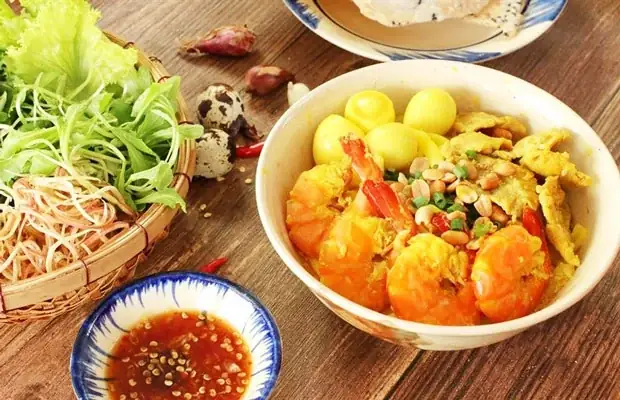
Mì Quảng is not merely a dish; it’s a cultural icon from the Quảng Nam province of Central Vietnam, especially beloved in Da Nang and Hoi An. Unlike other Vietnamese noodle soups such as Phở or Bún Bò Huế, Mì Quảng is characterized by its minimal yet intensely flavorful broth, thick turmeric-infused rice noodles, and a rich medley of toppings. The name “Mì Quảng” literally translates to “Quảng-style noodles,” a testament to its regional origins and distinct identity. Its uniqueness lies in the harmony of textures and flavors: the tender noodles, the savory broth, the crunchy peanuts, the fresh herbs, and the crisp rice crackers all come together to create an unforgettable culinary experience. This dish reflects the resourcefulness and culinary artistry of the Central Vietnamese people, using local ingredients to create a symphony of tastes. For those eager to explore the depths of Vietnamese cuisine, mastering the cách nấu mì quảng bằng tiếng anh is a delightful challenge and a rewarding experience. You can discover more authentic Vietnamese culinary delights and ingredients by visiting saigonesebaguette.vn.
The beauty of Mì Quảng also lies in its versatility. While pork and shrimp are classic components, variations can include chicken, snakehead fish, or even vegetarian options, each offering a unique twist on the traditional flavor profile. The vibrant yellow color of the noodles, often achieved with turmeric, not only adds visual appeal but also a subtle earthy undertone. The careful selection and preparation of each element—from the robust stock to the fresh accompaniments—are what elevate Mì Quảng from a simple noodle dish to a gastronomic celebration. Understanding the nuances of each ingredient and preparation technique is key to successfully replicating this authentic flavor, making the detailed instructions below invaluable for aspiring home chefs.
The Essential Ingredients: Crafting Your Mì Quảng Masterpiece

Crafting an authentic Mì Quảng begins with assembling the right ingredients, each playing a crucial role in developing the dish’s distinctive flavor. The quality of these components directly impacts the final taste, so careful selection is paramount. When embarking on the cách nấu mì quảng bằng tiếng anh, pay close attention to the following categories to ensure you lay a strong foundation for your culinary endeavor.
For the Robust Pork Stock: The Foundation of Flavor
The stock is the backbone of any good noodle soup, and Mì Quảng is no exception. A rich, savory pork stock provides the essential base for the intensely flavored broth.
* 2-3 lbs Pork Neck Bones or Spare Ribs: These cuts are ideal for making stock due to their high bone and marrow content, which imparts a deep, savory flavor and a slightly gelatinous texture to the broth. When selecting, look for bones with some meat still attached for added richness. Ask your butcher to chop them into manageable 2-3 inch chunks to facilitate the extraction of flavors and fit comfortably in your stockpot.
* 1 Onion, cut in half: Onions contribute a natural sweetness and aromatic depth to the stock, balancing the savory notes of the pork. A large yellow or white onion works best, providing a clean, subtly sweet foundation.
* 1 Head of Garlic, peeled: Garlic, with its pungent and earthy notes, enhances the overall complexity of the stock, adding a layer of warmth and aroma. Peeling the cloves ensures that no bitter skin bits end up in your clean broth.
These simple ingredients, when simmered patiently, transform into a profound base that is fundamental to the Mì Quảng experience. The quality of your stock will profoundly influence the depth and authenticity of your final dish, making it a critical initial step in the cách nấu mì quảng bằng tiếng anh.
Building the Signature Mì Quảng Broth: A Symphony of Spices
The Mì Quảng broth is unique because it’s concentrated and packed with flavor, designed to coat the noodles rather than completely submerge them. This section details the key ingredients that give the broth its characteristic color and taste.
* 1 lb Medium-Sized Shrimps, head-on or headless: Fresh shrimp provides a delicate sweetness and umami to the broth. Head-on shrimp are preferred as their heads contain rich fats and flavor compounds that add significant depth and color when sautéed. If using headless shrimp, ensure they are fresh and firm.
* 1 lb Pork Belly: Pork belly, with its layers of lean meat and fat, contributes a luxurious richness and tender texture to the dish. When cooked, its fat renders, infusing the broth with additional flavor and a pleasing mouthfeel. Look for good quality pork belly with a balanced ratio of meat to fat.
* 1 tbsp Paprika, for color and mild spicy flavor: Paprika is essential for achieving the iconic reddish-orange hue of Mì Quảng broth. It also provides a subtle, warm spice, contributing to the dish’s overall complexity without being overly hot. Adjust the amount based on your preference for color and mild spice.
* 1 tbsp Annatto Seeds, for color: Annatto seeds are used to infuse oil with a vibrant orange-red color, which is then incorporated into the broth. This natural coloring agent is crucial for the visual appeal of Mì Quảng, giving it its characteristic warmth. The seeds themselves are discarded after coloring the oil.
* 1 tbsp Onion Powder or Dried Chopped Onion: These provide a concentrated onion flavor, adding another layer of sweetness and savoriness to the broth without the bulk of fresh onions. They integrate seamlessly into the spice blend.
* 1 tbsp Garlic Powder: Similar to onion powder, garlic powder delivers an intense garlic flavor that complements the fresh minced garlic used later, creating a more robust aromatic profile.
* 1 tbsp Sugar: Sugar helps balance the savory and spicy elements, adding a touch of sweetness that rounds out the flavor profile of the broth. It’s a common ingredient in Vietnamese cuisine to achieve flavor harmony.
* 2 tbsp Salt: Salt is fundamental for seasoning and bringing out the flavors of all other ingredients. Adjust to taste, as the overall saltiness will also depend on the fish sauce.
* 1/2 tsp MSG or 1 tbsp Mushroom Seasoning: Monosodium glutamate (MSG) or mushroom seasoning are flavor enhancers commonly used in Asian cooking to add a savory umami depth. While optional, they can significantly boost the overall deliciousness of the broth, making it more authentic.
* 1 tbsp Fish Sauce: A staple in Vietnamese cuisine, fish sauce adds a profound salty, umami, and fermented depth that is irreplaceable. It is added towards the end to season the broth to perfection.
* 2 Shallots, thinly sliced: Fresh shallots provide a delicate, aromatic, and slightly sweet flavor when sautéed, forming a fragrant base for the pork belly and shrimp.
* 1 Head of Garlic, minced: Fresh minced garlic, sautéed until fragrant, contributes a pungent and warming aroma, crucial for building the complex flavor base.
* 1/2 cup of Dried Shrimps: Dried shrimps are a secret weapon in Vietnamese broths, offering an intense concentration of umami and a unique seafood sweetness. They enhance the depth and complexity of the pork stock.
* 5 Quarts Water: This is the primary liquid base for the entire broth. The quantity ensures enough liquid for a rich stock that will later be reduced and seasoned to Mì Quảng’s characteristic intensity.
The interplay of these spices, aromatics, and proteins is what gives Mì Quảng its distinctive character. Mastering this combination is a significant step in the cách nấu mì quảng bằng tiếng anh.
The Perfect Accompaniments: Elevating the Mì Quảng Experience
Mì Quảng is as much about its vibrant toppings and fresh herbs as it is about its noodles and broth. These accompaniments add crucial textures, freshness, and contrasting flavors that complete the dish.
* Banana Blossom: Finely shredded banana blossom adds a unique, slightly bitter, and crunchy texture. It’s often prepared by soaking in lemon water to prevent discoloration and reduce bitterness.
* Bean Sprouts: Crisp and refreshing, bean sprouts provide a fresh crunch and a slightly sweet, earthy note that complements the richness of the broth.
* Perilla Leaves: Known as tía tô in Vietnamese, perilla leaves offer a distinctive, slightly minty, and peppery flavor that adds an aromatic dimension to the dish.
* Mint Leaves: Fresh mint leaves contribute a bright, cooling sensation, cutting through the richness of the broth and offering a refreshing contrast.
* Lettuce, coarsely chopped: Crisp lettuce provides a light, fresh base and a satisfying crunch, adding a leafy green element to each spoonful.
* Cilantro, coarsely chopped: Fresh cilantro is a classic garnish in Vietnamese cuisine, offering a bright, herbaceous, and citrusy aroma that enhances the overall fragrance of Mì Quảng.
* Green Scallions, thinly sliced: Green onions add a mild, pungent freshness and a vibrant green color, typically used as a final garnish to brighten the dish.
* Roasted Peanuts, coarsely crushed: Roasted peanuts are indispensable for Mì Quảng, providing a crucial nutty flavor and a delightful crunch that contrasts with the soft noodles. Their texture and taste are signature elements of the dish.
* Black Sesame Rice Crackers (Bánh Tráng Mè): These large, savory rice crackers are a must-have accompaniment. They are typically broken into pieces and added to the bowl, absorbing some of the broth and adding a wonderful crispy, slightly chewy texture and a roasted sesame aroma. Look for the untoasted variety at Asian markets and microwave or toast them until crispy, or purchase pre-toasted ones for convenience.
* Fish Sauce: A small bowl of fish sauce, often mixed with sliced red chili peppers, is served on the side for those who wish to add extra savoriness or a spicy kick to their bowl.
* Red Chili Peppers: Fresh red chili peppers, sliced, provide customizable heat. They can be added directly to the bowl or mixed with fish sauce as a dipping condiment.
These accompaniments are not mere decorations; they are integral to the Mì Quảng experience, providing balance, texture, and bursts of fresh flavor that elevate the dish to its iconic status. Proper preparation of these elements is a key step in creating an authentic bowl of Mì Quảng.
Step-by-Step Mì Quảng Preparation: A Detailed Guide

Embarking on the cách nấu mì quảng bằng tiếng anh requires attention to detail and a methodical approach. Follow these steps carefully to ensure a flavorful and authentic outcome.
Step 1: Crafting the Spice Blend – The Soul of Mì Quảng
The secret to Mì Quảng’s distinctive flavor profile often lies in its unique spice blend. This initial step focuses on combining the dry spices that will later infuse the broth with its signature taste and color.
In a small bowl, carefully combine paprika, sugar, salt, MSG (or mushroom seasoning), onion powder, and garlic powder. Paprika is particularly important here, as it’s responsible for the characteristic red hue and a mild, gentle spiciness that is quintessential to Mì Quảng. Its vibrant color is a visual cue for the richness of the broth. If you or your guests have a low tolerance for spicy food, you can reduce the amount of paprika or opt for a sweet paprika variety that offers color without the heat. This pre-mixed blend ensures that all these flavors are ready to be added to the sautéed ingredients simultaneously, allowing them to bloom evenly and infuse their essences throughout the dish. This measured approach ensures consistency in flavor and makes the cooking process smoother.
Step 2: Preparing the Pork Bones – Purity and Richness
Preparing the pork bones correctly is a crucial step in creating a clean, flavorful stock, which is the foundation of any good Mì Quảng. This blanching process ensures impurities are removed, leading to a clearer and more appealing broth.
Start by asking your butcher to chop the pork neck bones into 3-inch chunks. If you’re using spare ribs, have them cut into 2-inch pieces. This size helps in better flavor extraction during simmering. The next crucial step is blanching. In a large stockpot, cover the pork bones with cold water. Bring this water to a rolling boil, then reduce the heat and let it simmer for about 5 minutes. During this time, you’ll notice a significant amount of foam and scum rising to the surface; these are impurities from the bones. After 5 minutes, carefully drain the water, discarding it entirely. Remove the pork bones from the pot and rinse them thoroughly under running cold water, scrubbing away any remaining scum or debris. This rigorous cleaning process is vital for eliminating any gamey odors and ensuring your final stock is pristine and flavorful, setting the stage for an excellent Mì Quảng.
Step 3: Simmering the Pork Bone Stock – Patience for Flavor
With the bones thoroughly blanched and cleaned, the next phase involves simmering them to create a rich and aromatic pork stock. This step requires patience, as slow simmering is key to extracting maximum flavor.
Return the blanched pork bones to the clean stockpot. Cover them again with fresh cold water, ensuring the bones are fully submerged. Add the half onion and peeled garlic cloves to the pot; these aromatics will infuse the stock with a subtle sweetness and depth. Bring the water to a boil, then immediately reduce the heat to a gentle simmer. Allow the stock to cook until the meat on the bones is tender and easily falls off, which will take at least an hour, but often longer—up to 2-3 hours for a truly rich stock. Throughout this simmering process, frequently skim any additional foam or debris that rises to the surface; this keeps the stock clear and pure. If the water level drops significantly, add more hot water to keep the bones covered. For convenience, you can prepare this pork stock a day in advance, refrigerating it overnight. Halfway through the simmering, add the dried shrimps. If you have a tea ball strainer, place the dried shrimps inside and hang it from the side of the pot. If not, adding them directly into the stockpot is perfectly fine. The dried shrimps are a key ingredient, contributing a unique umami depth and a subtle seafood complexity that elevates the Mì Quảng broth beyond a simple pork stock. Their inclusion is a hallmark of authentic Central Vietnamese flavors.
Step 4: Sautéing Pork Belly and Shrimps – Building Layers of Taste
This step is where much of Mì Quảng’s characteristic color and aromatic foundation are built, focusing on infusing oil with annatto and sautéing the proteins.
In the meantime, as your stock simmers, prepare your pork belly and shrimps. Slice the pork belly into thin, bite-sized pieces. If using head-on shrimps, carefully trim the legs and tails, and then remove the heads, setting them aside for later use as they contain valuable flavor and color. In a skillet, heat about a tablespoon of olive oil (or another neutral cooking oil) over medium heat. Add the annatto seeds and cook, stirring constantly, for approximately 3 minutes, or until the oil transforms into a rich, appealing orange-red color. This vibrant color is essential for the visual appeal of Mì Quảng. Once the oil is colored, discard the annatto seeds, leaving behind the beautiful infused oil.
Next, add the minced garlic to the annatto-infused oil. Cook, stirring constantly, for about 30 seconds until the garlic becomes fragrant but not browned, which can make it bitter. Immediately add the sliced pork belly and stir-fry it until the fat begins to render and the lean portions become translucent, typically about 2 minutes. If you are using shrimp heads, add them to the skillet next. Using your spatula, press the shrimp heads firmly against the bottom of the pan to extract their rich juices, flavor, and color into the oil. This step is crucial for an authentic, deeply flavored Mì Quảng broth. Finally, add the prepared shrimps and the dried spice blend from Step 1. Stir-fry constantly until the shrimps turn pink and are just cooked through. Remove the skillet from the heat immediately to prevent the shrimps from overcooking, as they will be added to the hot broth later. This sequence of sautéing ensures that each ingredient contributes its best flavor and color to the dish.
Step 5: Assembling the Mì Quảng Broth – The Final Harmony
With the pork bone stock ready and the proteins sautéed, it’s time to bring all the components together to create the distinctive Mì Quảng broth.
By now, your pork neck bones in the stockpot should be perfectly cooked, with the meat tender and soft. Carefully transfer the sautéed pork belly and shrimps from the skillet into the pot of pork bone stock. Bring the mixture back to a slow, steady boil. This simmering allows the flavors from the sautéed components to meld harmoniously with the pork stock, creating a rich and complex base. A critical step at this point is to carefully remove the cooked shrimps from the pot and set them aside. This prevents them from becoming tough and rubbery due to overcooking in the simmering broth. They will be added back to individual serving bowls later to retain their tender texture. Finally, add about a tablespoon of fish sauce to the broth. Taste and adjust seasoning as needed, adding more fish sauce or a pinch of salt if desired. Allow the broth to simmer for a little longer, approximately another 20 minutes, to ensure all the flavors fully integrate and the broth achieves its desired depth and intensity. This final simmer ensures that the Mì Quảng broth is perfectly balanced and profoundly flavorful, ready to be ladled over the noodles.
Step 6: Preparing the Mì Quảng Noodles – The Heart of the Dish
Mì Quảng noodles are unique: thick, flat, and often yellow, distinguishing them from other Vietnamese noodles. Proper preparation is key to their texture and appeal.
You can often find store-bought fresh white Mì Quảng noodles at Asian markets, which are convenient and ready to use. To achieve the traditional yellow color, which is a signature characteristic of Mì Quảng, bring a pot of water to a boil and add a teaspoon of turmeric powder. Turmeric not only provides a vibrant hue but also a subtle earthy flavor. Add the fresh white noodles to the boiling turmeric water and blanch them for approximately one minute. This quick blanching softens them slightly and infuses them with color. Drain the noodles thoroughly and set them aside. If you are using dried pre-made Mì Quảng noodles or dried wide rice noodles, which can also work as a substitute, follow the specific cooking instructions provided on the package. These usually involve soaking or boiling for a longer period until they are tender yet still slightly chewy. Regardless of the type of noodle used, ensuring they are perfectly cooked – firm to the bite but not hard – is essential for the best Mì Quảng experience, allowing them to properly absorb the rich broth.
Step 7: Perfecting the Accompaniments – The Freshness Factor
The accompaniments are what truly bring Mì Quảng to life, adding essential freshness, crunch, and contrasting flavors. Preparing them meticulously ensures a vibrant and satisfying dish.
For the Banana Blossom: Preparing banana blossom properly prevents discoloration. Fill a bowl with cold water and add the juice from half a lemon or a tablespoon of white vinegar; the acidity will prevent the banana blossom from turning brown. Cut the banana blossom lengthwise, peel off and discard the tough purple outer leaves, and remove the small, bitter flowers from between the leaves. Wash the edible inner leaves thoroughly, then stack and roll them tightly before finely cutting them into thin shreds. Immediately place the shredded banana blossom into the acidic water. When you are ready to serve, remove the shredded banana blossom from the water and gently squeeze out any excess liquid.
For Bean Sprouts, Perilla Leaves, Mint Leaves, and Lettuce: Wash all these herbs and vegetables thoroughly. You can keep them separate in small serving bowls or gently mix them together to create a vibrant herb platter.
For Black Sesame Rice Crackers (Bánh Tráng Mè): These crucial crackers can be found in Asian markets. If you have untoasted crackers, microwave them for about 2 minutes until they puff up and become crispy, or toast them lightly in a dry pan. Many markets also sell pre-toasted versions for convenience. Break them into smaller, manageable pieces just before serving.
For Fish Sauce and Red Chili Peppers: For an optional dipping sauce or extra kick, thinly slice a few red chili peppers. Mix them with a small amount of fish sauce in a dipping saucer.
For Roasted Peanuts: Take your roasted peanuts and coarsely crush them. A mortar and pestle or a quick pulse in a food processor works well. The texture should be varied, not a fine powder.
For Green Onion and Cilantro: In a small bowl, mix the thinly sliced green onions with the coarsely chopped cilantro. These will serve as a fresh, aromatic garnish for each bowl.
The meticulous preparation of these accompaniments is vital, as they contribute significantly to the texture, aroma, and overall freshness that defines an authentic bowl of Mì Quảng.
Step 8: The Art of Presentation and Enjoyment – A Feast for the Senses
The final step is to assemble the Mì Quảng bowl, transforming individual components into a harmonious and visually appealing dish.
In each serving bowl, artfully arrange a generous portion of the prepared Mì Quảng noodles at the bottom. Then, add pieces of the cooked pork neck bone (or spare ribs), slices of tender pork belly, and the sautéed shrimps that were set aside earlier to prevent overcooking. For an extra touch of flavor and texture, especially if catering to diverse preferences, you might consider adding fried fish patties, as they are a popular accompaniment in many Vietnamese households.
A key characteristic that distinguishes Mì Quảng from other Vietnamese noodle soups is the amount of broth. Mì Quảng is served with significantly less broth than dishes like Phở or Bún Bò Huế; the noodles and toppings are meant to be coated, not submerged. Therefore, the broth for Mì Quảng must be intensely flavorful and concentrated. Ladle the hot, rich broth over the noodles and toppings, filling about half of the bowl.
Finally, garnish each bowl generously. Start by sprinkling the mixed green onions and cilantro on top for freshness and color. Then, generously scatter the coarsely crushed roasted peanuts over everything; their crunch and nutty flavor are indispensable. Serve the Mì Quảng bowls immediately, accompanied by separate plates of the shredded banana blossom, mixed lettuce, and fresh herbs. The black sesame rice crackers should also be served alongside; guests can break them into smaller pieces and add them directly to their bowl, allowing them to soak up some of the flavorful broth. Encourage diners to mix everything together well before enjoying, ensuring every bite contains a medley of textures and tastes. A cup of refreshing green tea can perfectly complement the rich flavors of Mì Quảng.
Conclusion
Mastering cách nấu mì quảng bằng tiếng anh is a rewarding culinary endeavor that brings the rich flavors of Central Vietnam into your home. By meticulously following these steps, from crafting a flavorful broth to preparing the vibrant accompaniments, you can recreate an authentic bowl that captures the essence of this beloved dish. This journey not only teaches you a recipe but also deepens your appreciation for the intricate balance of flavors and textures in Vietnamese cuisine. Enjoy the process and the delicious outcome, sharing this traditional delicacy with friends and family.